
Create Magical Holiday Elf Traditions for Children with Autism
The holiday season is a time of wonder and excitement, and for many families, holiday elf traditions add an extra sprinkle of magic. However, for children with Autism Spectrum Disorder (ASD), these beloved traditions may present unique challenges. In this comprehensive guide, we'll explore how to adapt holiday elf traditions to create an inclusive, magical experience for children with autism, ensuring that every child can participate in the joy of the season.
Understanding Autism and Holiday Challenges
Autism Spectrum Disorder (ASD) is a developmental condition that affects how children experience the world, particularly in terms of communication, social interaction, and sensory processing. During the holidays, new sights, sounds, and disruptions to routine can make this time both exciting and overwhelming for children with ASD. Holiday elf traditions, if adapted thoughtfully, can be a wonderful way to engage children and include them in holiday fun.
Common challenges that children with ASD may face during the holidays include:
- Sensory Overload: Bright lights, loud sounds, and unfamiliar textures can be overstimulating.
- Routine Disruptions: Holidays often bring changes in routine, which can cause anxiety for children who thrive on predictability.
- Social Expectations: Large gatherings and social obligations can create stress for children who find it difficult to navigate social cues.
- Communication Difficulties: Expressing excitement, discomfort, or navigating unfamiliar scenarios may be challenging for some children.
However, with thoughtful planning and adaptations, holiday elf traditions can be tailored to provide joy and comfort to children with autism. Benefits of adapting these traditions include:
- Structure and Predictability: Creating a consistent routine for the elf's activities can provide a sense of control and comfort.
- Opportunities for Engagement: Encouraging participation in sensory-friendly activities can help develop communication and social skills.
- Family Bonding: Shared elf activities can foster meaningful family connections, allowing siblings and parents to come together in fun and supportive ways.
Preparing for an Autism-Friendly Holiday Elf Tradition
Preparation is key to creating a holiday elf experience that is inclusive and enjoyable for children with autism. Here are steps to ensure a smooth and magical transition into the holiday tradition:
- Set Realistic Expectations: Each child is different, and your holiday elf tradition doesn't have to look like others. Focus on what makes your child comfortable and happy.
- Involve Your Child: Let your child help decide where the elf will appear or what activities it might inspire. Giving them control over parts of the tradition can help alleviate anxiety.
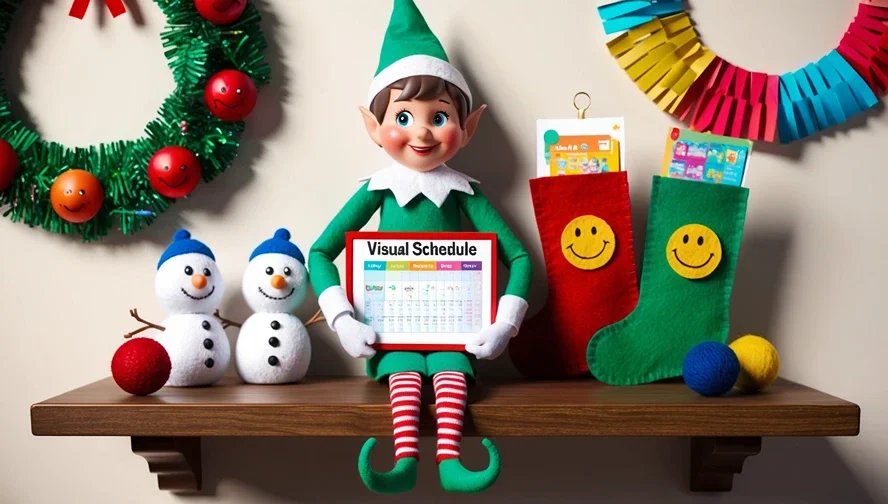
- Create a Visual Schedule: Use visual aids like calendars or picture schedules to show when the elf will arrive and what activities to expect. This can reduce uncertainty and create anticipation.
- Prepare Siblings and Family: Make sure siblings and extended family understand any adaptations you're making for your child with autism. Encourage siblings to participate in elf-related activities in ways that are supportive.
- Consult with Therapists: Occupational therapists, speech therapists, or behavioral specialists may have valuable insights into how to make the holiday elf experience more accessible and beneficial for your child.
Sensory-Friendly Holiday Elf Ideas
For children with autism, sensory experiences can play a significant role in how they engage with the world. Creating sensory-friendly holiday elf setups can make the tradition more enjoyable and accessible. Below are some ideas that focus on different sensory needs:
| Sensory Type | Elf Activity Idea |
|---|---|
| Visual | The elf arranges a calm, visually appealing display with soft colors and fairy lights. |
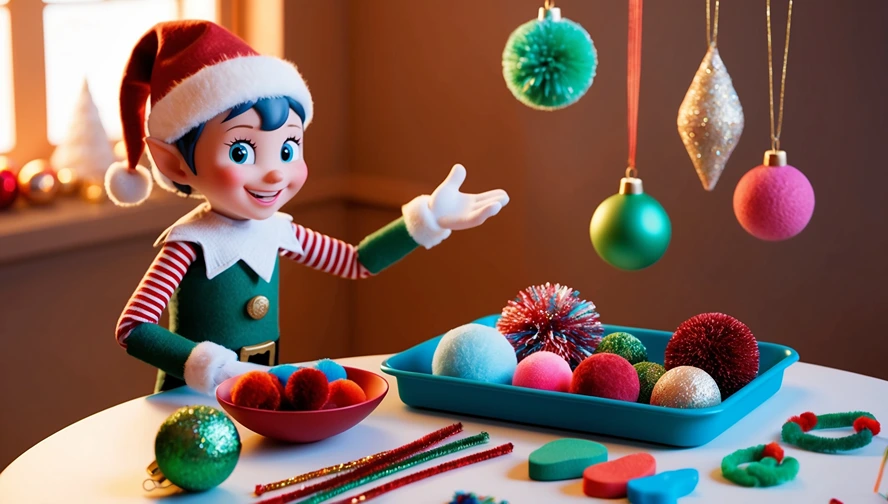
| Tactile | The elf introduces a sensory bin filled with textured holiday items like pinecones, fabric, or soft ornaments. |
| Auditory | The elf suggests a quiet activity like listening to soft jingle bells or a calming holiday story on audio. |
| Olfactory | The elf presents mild scents like vanilla or cinnamon sticks in a non-overwhelming way, encouraging a sensory exploration of holiday smells. |
| Proprioceptive | The elf sets up an indoor obstacle course or encourages deep pressure activities with cushions and blankets. |
These sensory-friendly activities allow your child to engage with the elf tradition on their own terms, helping to minimize overwhelm while still participating in holiday fun.
Incorporating Special Interests and Managing Fixations
Many children with autism have special interests or "fixations" that captivate them. Holiday elf traditions can be tailored to include these interests, making the experience more engaging and meaningful for your child. Here are some ideas for incorporating special interests into the tradition:
- For Train Enthusiasts: The elf can "build" a train track or set up a holiday train around the tree.
- For Space Enthusiasts: The elf can "discover" moon rocks or prepare for Santa's journey through the stars, creating a space-themed adventure.
- For Animal Lovers: The elf can create an animal care station for toy animals or read to plush reindeer.
While incorporating special interests can help engage your child, it's also important to manage fixations that may cause stress or become overwhelming. Some strategies to manage fixations include:
- Set time limits for elf interactions using a visual timer.
- Gradually introduce new activities alongside the elf to help broaden interests.
- Redirect attention if a particular activity or fixation becomes overwhelming, offering alternatives that are calming or familiar.
Engaging your child's favorite interests in this way can make the tradition feel personal and exciting.
Magic Letter Box: Personalized Letters for Children with Autism
Create custom letters from magical characters that accommodate your child's specific needs and interests! Magic Letter Box offers personalized letters from holiday elves, Santa, the Tooth Fairy, Easter Bunny, birthday messages, and many more. Start with 5 free letters, then unlock unlimited access for just $15/year. Our templates are designed with visual supports and sensory-friendly language that can be adapted for children with varying needs.
Using Visual Supports to Enhance the Experience
Visual supports are invaluable for children with autism, helping explain concepts and create clear expectations. Here's how you can integrate visual tools into your holiday elf tradition:
Creating a Visual Schedule
Use a visual schedule to map out what the elf will do and when, whether that's bringing a craft project or simply being present to inspire play.
Incorporating a Social Story
Social stories can help explain the holiday elf tradition in a clear, non-threatening way. Describe what the elf does and the fun activities it might suggest. You can create your own social story or download a pre-made template.
Clear Visual Reminders
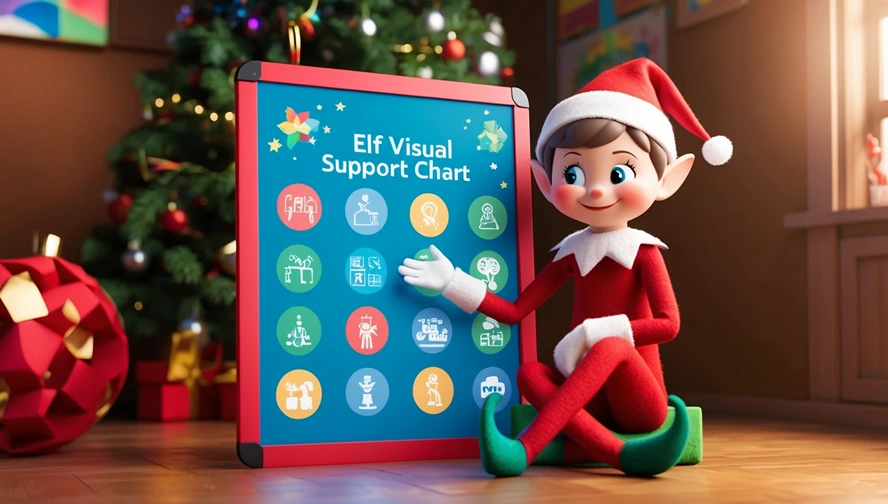
Use visual aids to help explain simple rules, such as where to expect the elf or gentle reminders about interacting with the elf's activities.
Encouraging Communication with the Holiday Elf Tradition
The holiday elf can become a fun way to engage in communication-building activities. Here are some ideas to consider:
- Questions from the Elf: Have the elf "ask" simple questions that your child can answer or talk about.
- Conversation Starters: Encourage your child to talk about the elf's fun scenarios or holiday-themed topics related to the elf's appearance.
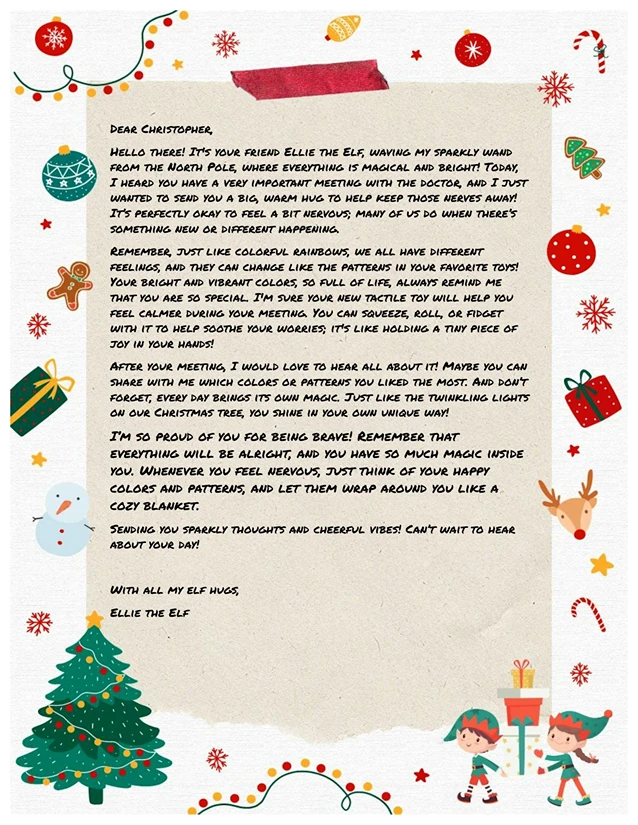
- Writing Back to the Elf: If appropriate, you could encourage your child to "write" or dictate responses to the elf's letters or activities.
Using communication aids like augmentative and alternative communication (AAC) devices or picture boards can further enhance the interaction.
Supporting Positive Behaviors through Holiday Traditions
Holiday traditions can reinforce positive behavior in an enjoyable, low-pressure way. Here's how to incorporate this into your elf tradition:
- Calming Activities: Set up a "calm corner" with the elf, including calming objects like soft textures, lights, or books.
- Positive Reinforcement: Use simple elf-themed rewards for participation in family activities or daily routines.
- Modeling Behaviors: Create scenarios where the elf demonstrates patience, sharing, or other positive behaviors your child is working on.
Celebrating Achievements and Creating Memories
The holiday elf can become part of celebrating your child's progress and creating lasting holiday memories. Here are a few ways to do this:
- Celebrate Milestones: Use the elf to acknowledge your child's progress in a fun, lighthearted way (e.g., "The elf is so proud of how you helped today!").
- Memory Book: Take photos of your elf's activities and your child's involvement to create a scrapbook or memory album at the end of the season.
- End-of-Season Ritual: Develop a fun, simple ritual for the elf's farewell, such as a holiday breakfast or a final note from the elf.
Create Magical Moments with Magic Letter Box
Looking for ways to make your holiday elf tradition even more special? Magic Letter Box can help you create personalized letters from your elf that accommodate your child's unique needs. Our service offers:
- Customizable letters for different occasions (Holiday Elf, Santa, Tooth Fairy, Easter Bunny, Birthday messages, and more)
- Templates designed with autism-friendly language and visual supports
- Options to include your child's special interests and comfort items
- 5 free letters to get started, then unlimited access for just $15/year
Additional Resources for Holiday Inclusion
For more ideas and support, explore these additional resources:
Conclusion: Making the Holidays Magical for Every Child
The holiday elf tradition can be a wonderful part of your family's celebrations, with thoughtful adaptations to include children with autism in the magic. Whether it's creating sensory-friendly activities, involving special interests, or encouraging communication, the key is to make the tradition joyful and comfortable for your child.
By incorporating flexibility and creativity, and using tools like Magic Letter Box to personalize the experience, you can ensure your child feels included in the holiday fun, creating lasting memories for the whole family. Wishing you and your family a season full of joy, connection, and a little holiday magic in 2026!
Start Your Magic Letter Box Journey Today!
Make holiday traditions more inclusive and magical for your child with autism. Magic Letter Box offers personalized letters for every occasion, with templates specifically designed to support children with diverse needs.
- 5 FREE personalized letters to get started
- Unlimited access for just $15/year
- Holiday Elf, Santa, Tooth Fairy, Easter Bunny, Birthday letters, and more!
FAQs About Holiday Elf Traditions for Children with Autism
How can I make the elf tradition less overwhelming for my child?
Start small and introduce the elf gradually. Use visual supports like calendars and social stories to explain the elf's presence. Make the elf's activities calm and simple, such as staying in the same room each day or engaging in sensory-friendly setups.
What if my child is uninterested in the elf?
Incorporate the elf into activities your child already enjoys, such as a favorite hobby or toy. If your child remains uninterested, it's okay to adapt or even forgo the elf tradition in favor of other holiday traditions that better fit your family.
How can I involve siblings in creating an inclusive elf experience?
Encourage siblings to help plan elf activities that cater to their brother or sister's needs. Have them take on "elf helper" roles to include them in the fun, while also teaching empathy and inclusion.
What if my child struggles to understand the elf tradition?
Use clear, simple language and visual supports to explain the concept of the elf. A social story can be a helpful tool in explaining the elf's role in a way that's reassuring and easy to grasp. You can also simplify the tradition to focus on fun activities rather than magical elements that might be confusing.
Create Your Own Magical Elf Letters!
Visit The Magic Letter Box to create personalized, AI-powered elf letters that will make your holiday season even more magical.
Related Articles
Holiday Elf Craft Generator: 30+ DIY Ideas from Household Items
Use our expanded Holiday Elf Craft Generator to turn paper, yarn, buttons, pom-poms, felt, and other household supplies into 30+ quick elf crafts and scene props.
Read more →
Year-Round Elf Magic: Extend Holiday Joy with Elf Letter Bot
The holiday season may be over, but the magic of your family's Holiday Elf doesn't have to end when the Christmas decorations are packed away. Imagine the delight on your children's faces when they receive surprise messages from their elfin friend throughout the year. Whether it's celebrating achievements, comforting them during challenges, or adding a sprinkle of magic to everyday life, Elf Letter Bot can make it happen.
Read more →
Santa's Good List Letters: Guide to Magical Behavior (2026)
Discover the transformative power of Santa's good list letters – magical messages that can shape your child's behavior throughout the year. When children receive a personalized santa behavior letter, their eyes light up with wonder, and their hearts open to positive change. These cherished santa good list letters have become an invaluable tool for parents seeking to reinforce good choices and celebrate their children's achievements with authentic North Pole magic.
Read more →
Dutch Christmas Traditions: Complete Family Guide for 2026
The Dutch holiday season offers one of Europe's most enchanting and extended celebration periods, transforming winter into a magical time of family traditions, storytelling, and heartfelt written communications. From the arrival of Sinterklaas in mid-November through the final toast of New Year's Eve, Dutch families embrace a series of customs that emphasize the importance of personal connection through written expression.
Read more →